

Resource Center
Choosing a Dab Nail

Continue With This Resource
Got Vape Quick Brief
What You Should Know
Skim this first for the short version: the main points, the questions people ask, and what to consider before you buy.
Overview
Key Takeaways
- Glass nails are the most affordable and preserve flavor well, but they are the most fragile and hold heat the least.
- Ceramic nails hold heat a little better than glass and are still easy to clean, at a slightly higher price point.
- Quartz nails are more durable and handle high heat well, but they cool off quickly, so you have to be ready to load your concentrate fast.
- Titanium nails are nearly indestructible and retain heat the longest, though some dabbers notice a slight metallic taste compared to quartz or glass.
- E-nails cost more upfront but let you precisely dial in temperature and skip the torch entirely, using either quartz or titanium components.
Questions This Resource Answers
- What materials are dab nails made from and how do they compare?
- Should I choose a domed or domeless nail?
- Is an e-nail worth the extra cost over a torch and traditional nail?
Recommended Products
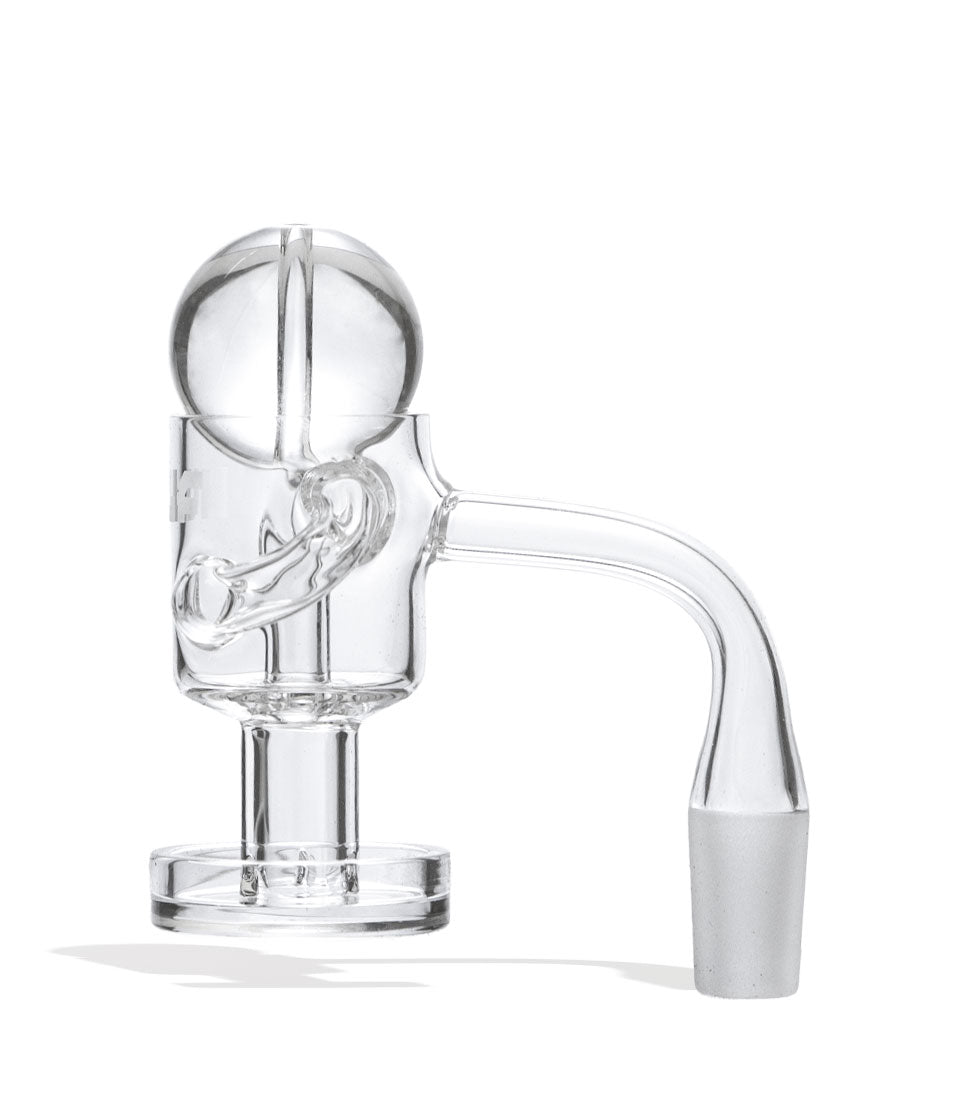
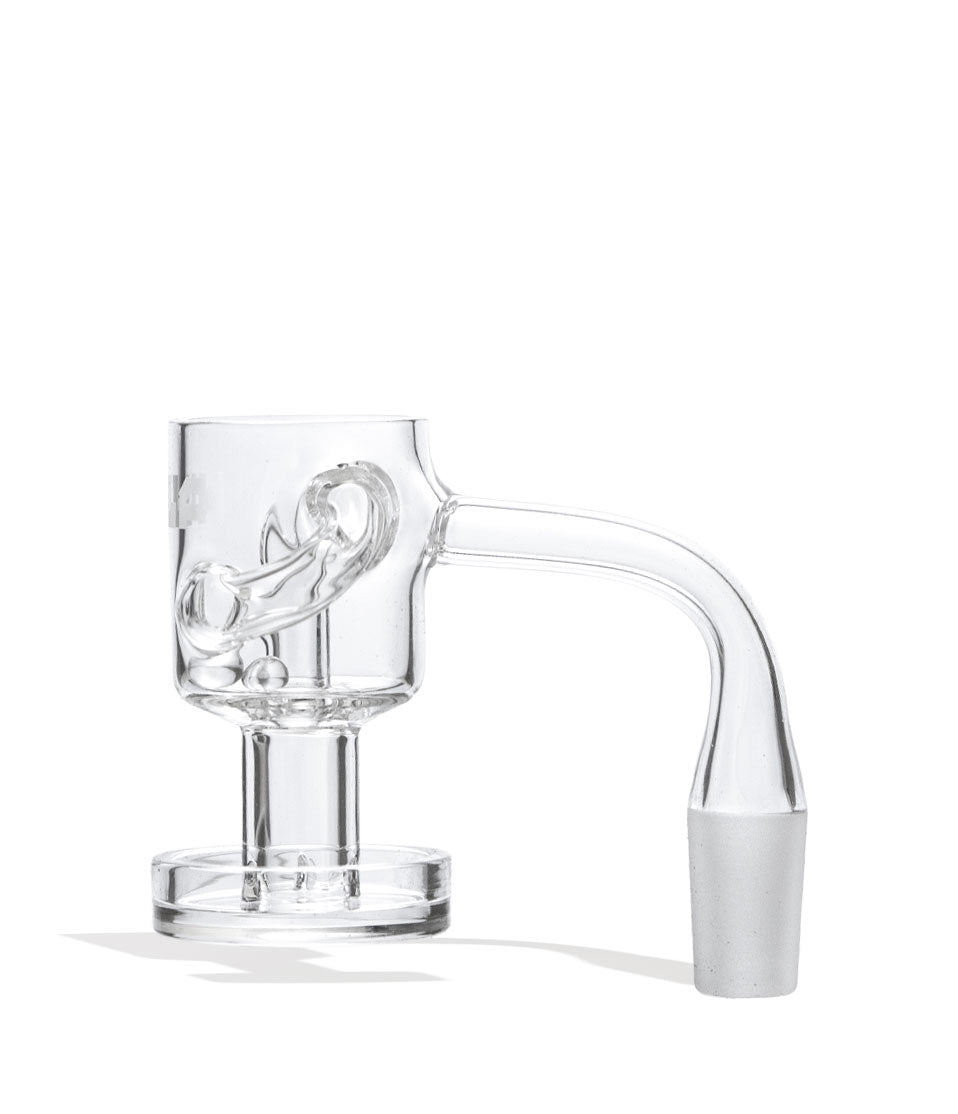
Shop Bangers
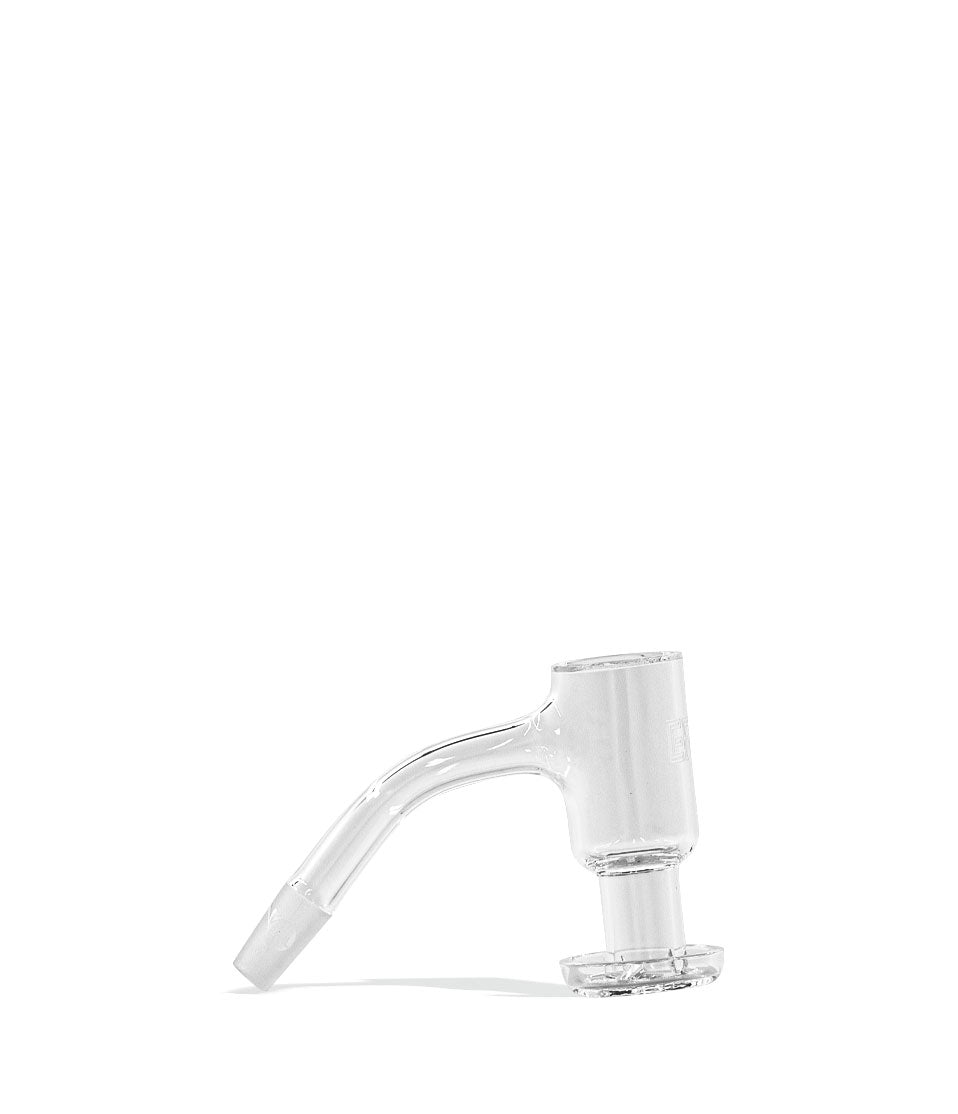
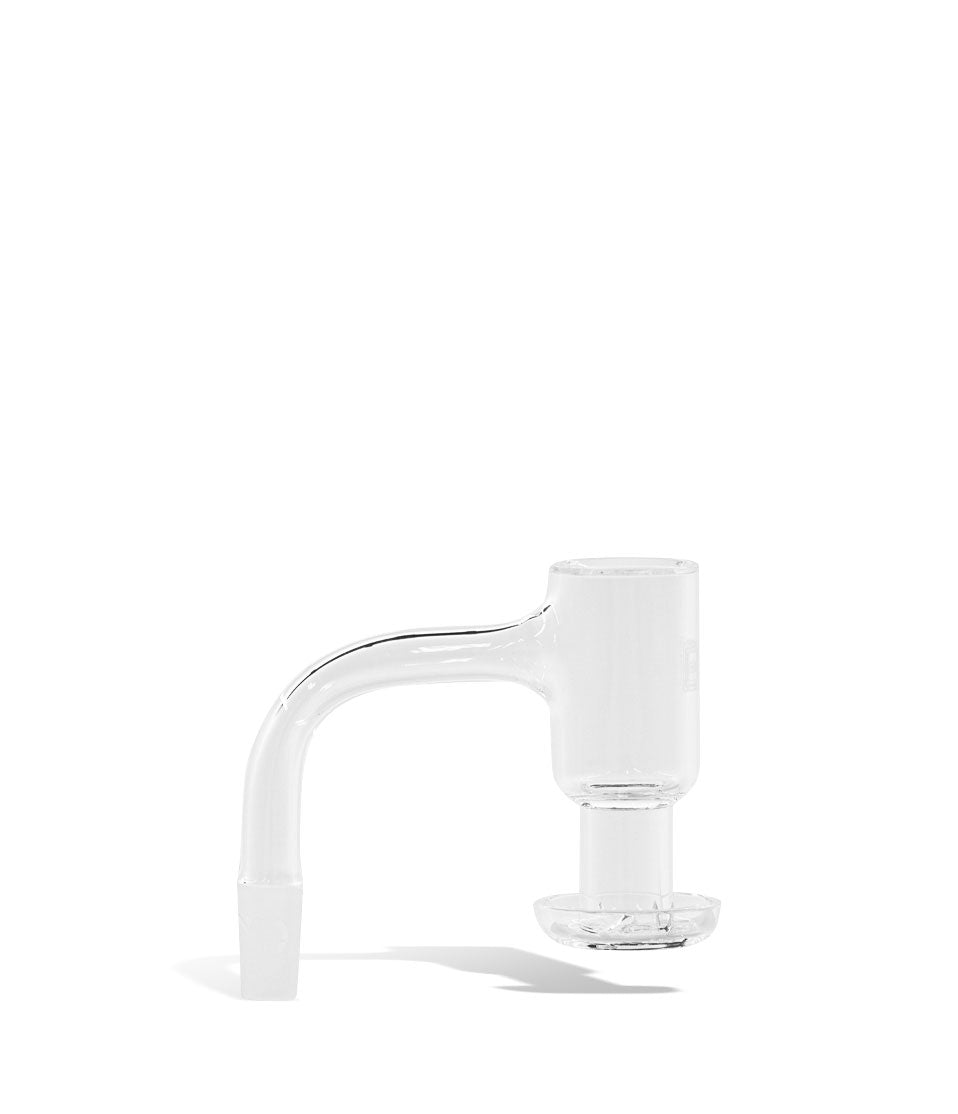
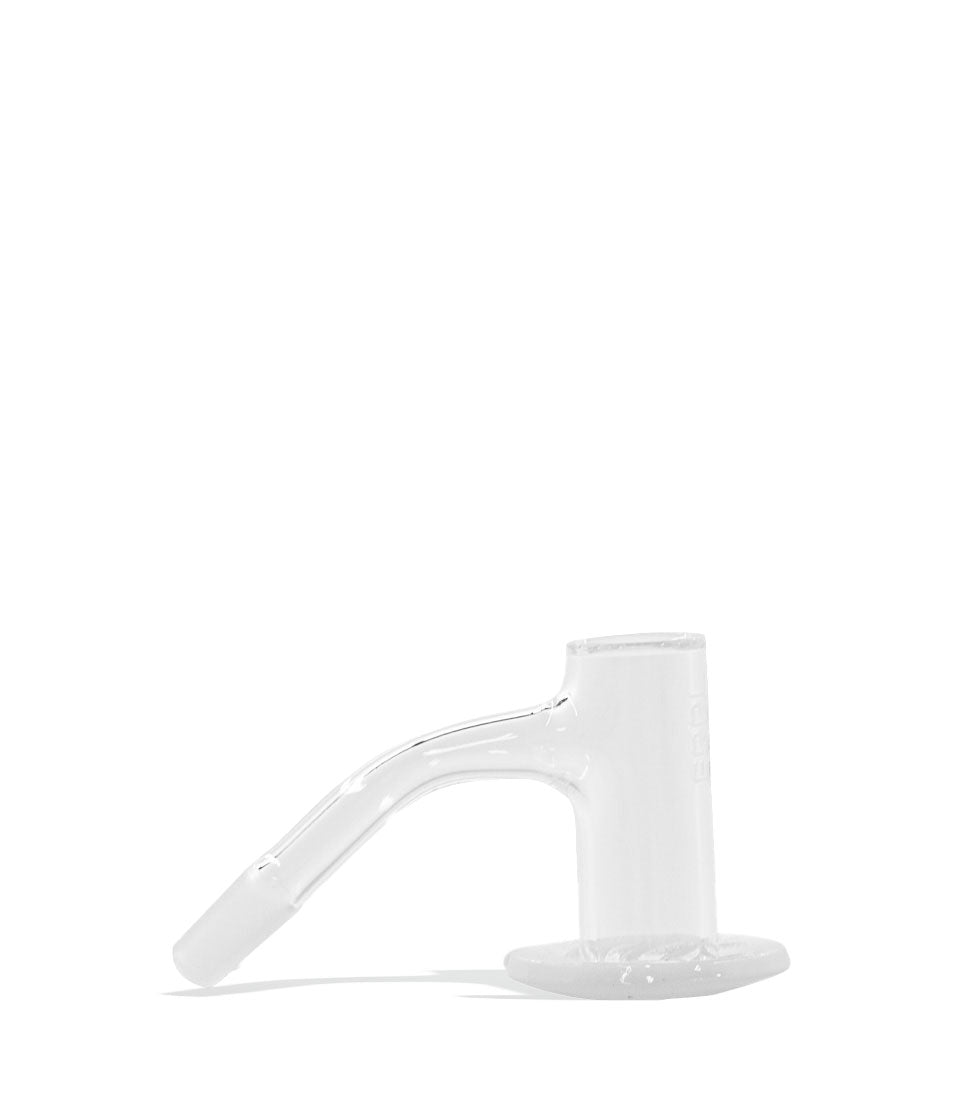
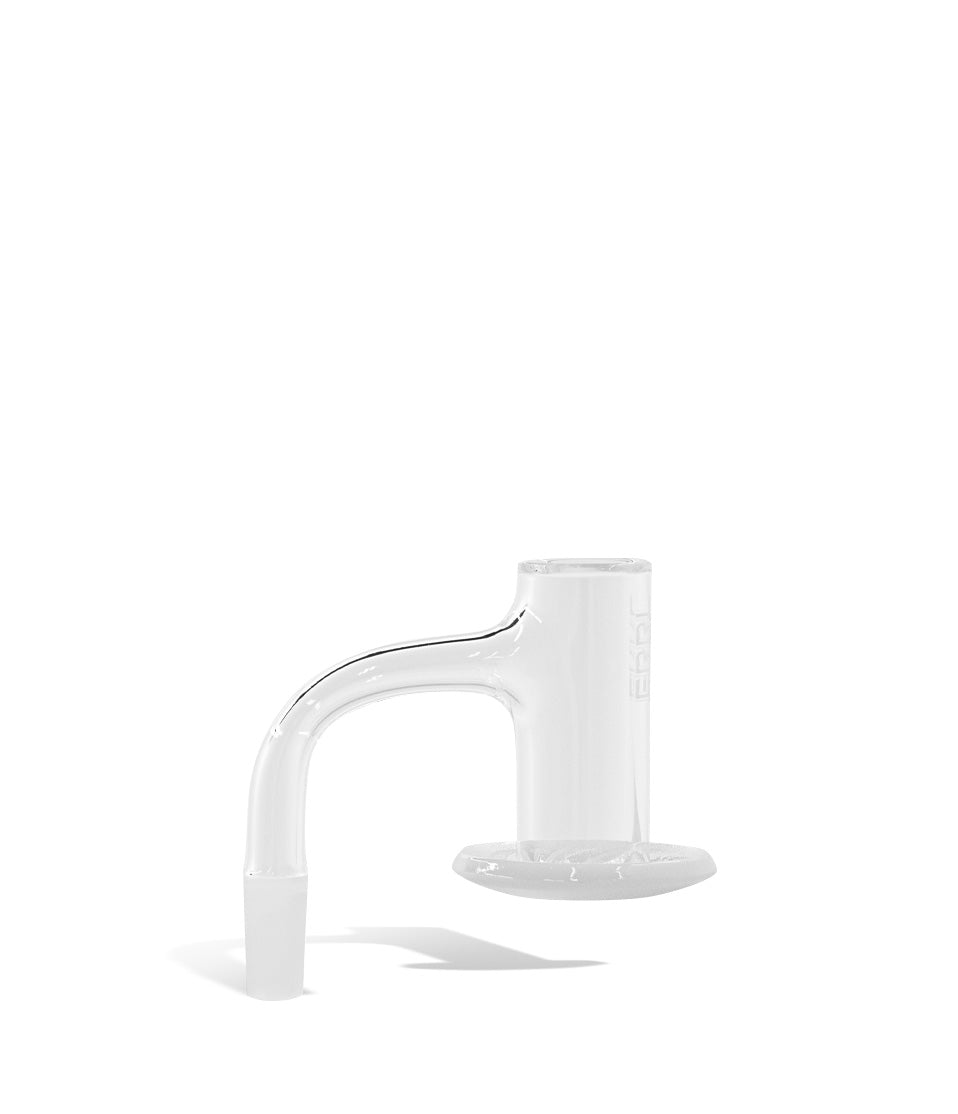
A closer look at the picks called out above.
How-To
Complete How-To
From here, the walkthrough gets specific: the product details and buying considerations that turn the summary above into an actual decision.
Choosing a Right Dab Nail
Dabbing, or smoking concentrates, is said to be the future of herbal consumption. Vaporizing concentrates delivers more of the active chemicals in herbs versus traditional smoking methods, without the carcinogenic smoke that comes with joints and burning flowers in bowls.
You may have used a dab rig over at a friend’s house or read about it somewhere on the internet. The simplest way to define a dab rig – also called an ‘oil rig’ – is that it is a glass water pipe that is modified to take a dab nail instead of the glass bowl commonly used to hold the bud.
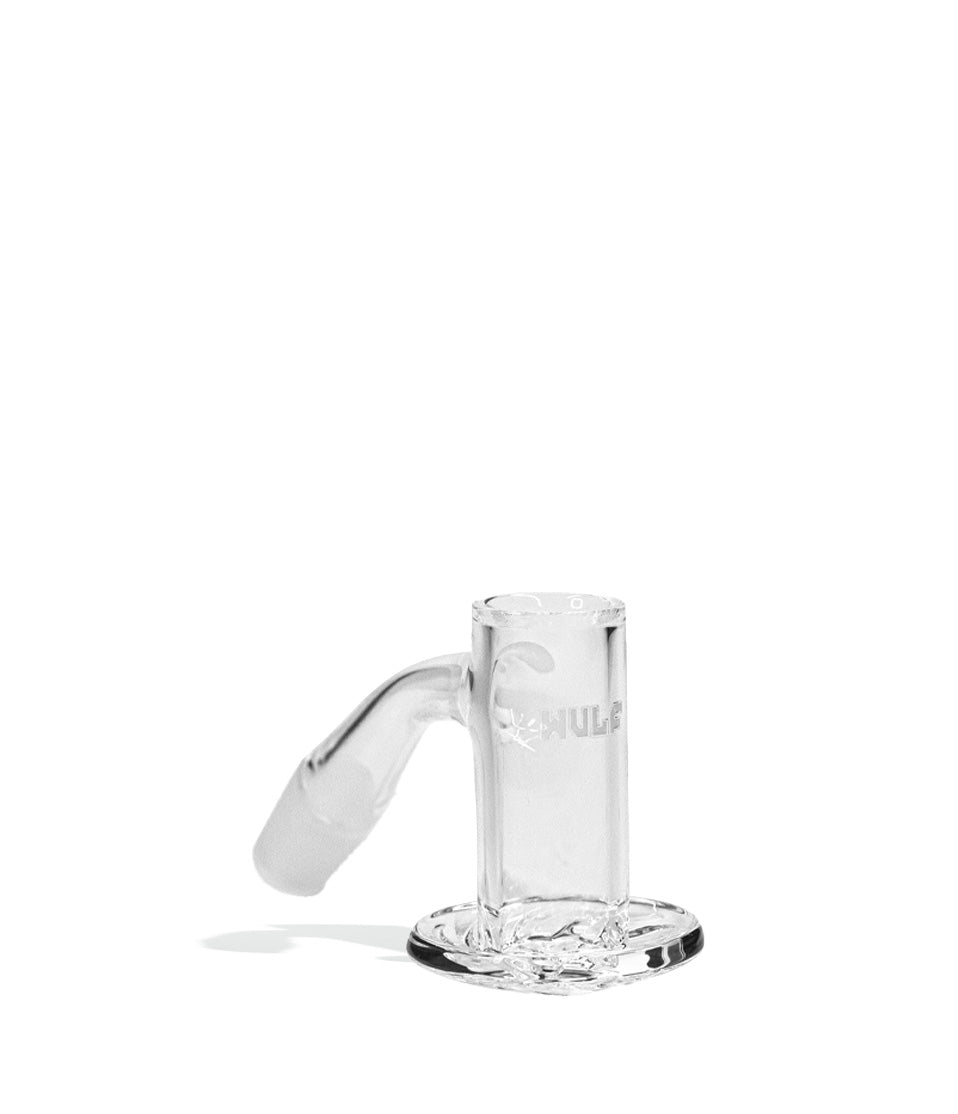
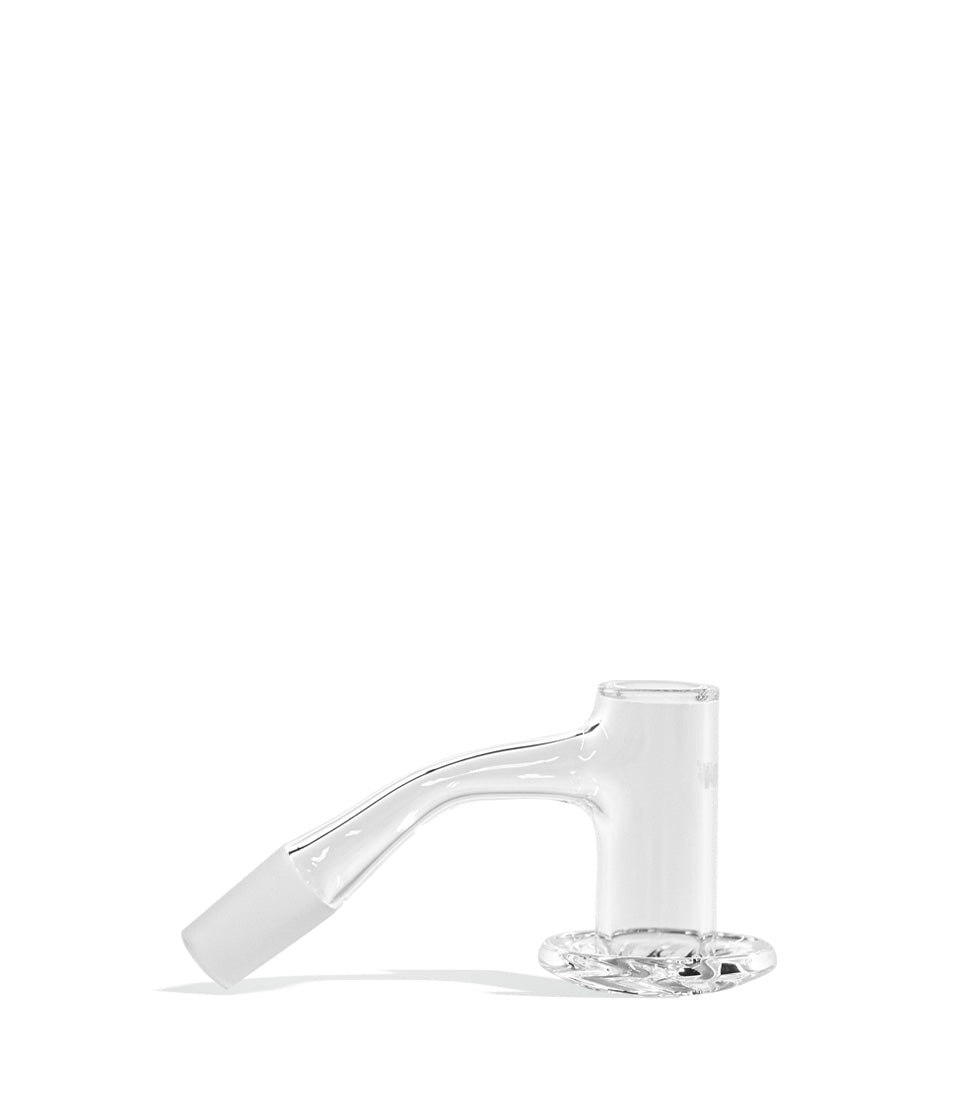
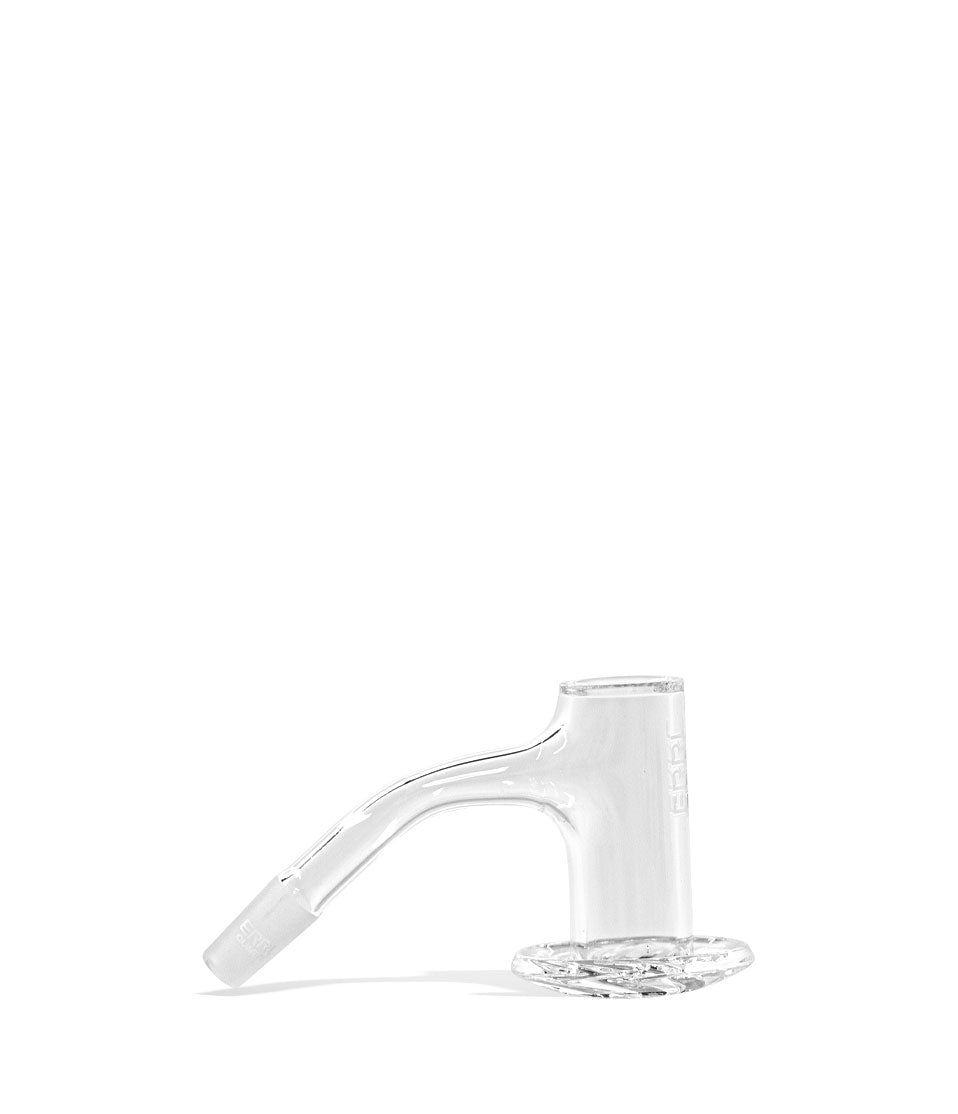
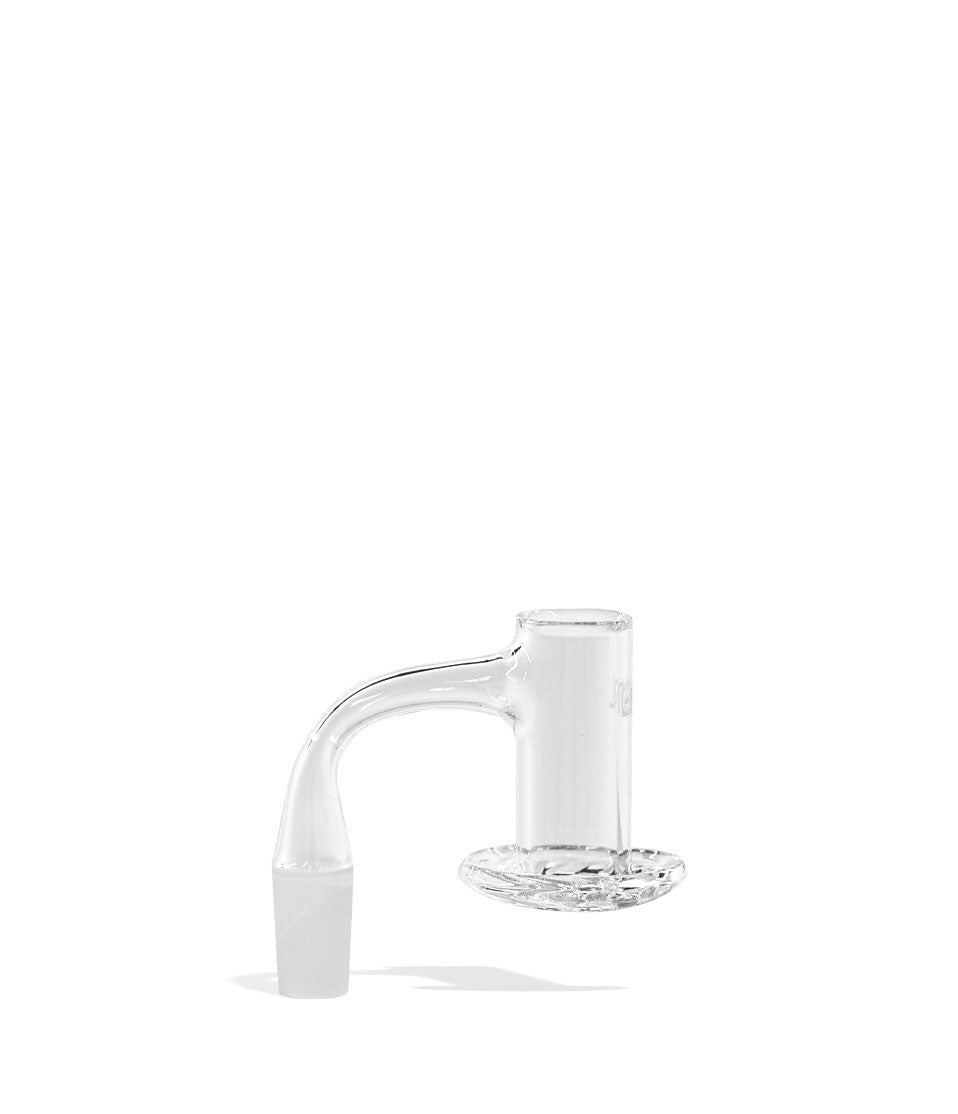
Now, when it comes to dab nails – the part that actually gets heated up before the concentrate is placed upon it – there are lots of different kinds to choose from on the market. Made from materials like glass, ceramic, quartz, and titanium, dab nails are an essential component to your rig. If you really want to get fancy (or you have a fear of torches) you can use an e-nail.
With so many to choose from, all from different materials, which is the best kind of dab rig? For many, it lies in personal preference. While glass may be inherently the least expensive, it is also the most fragile and holds heat the least. An e-nail can be the most expensive, but allows you much more control over temperature.
Below you will find a quick run-down of the types of dab nails available, as well as some pros and cons of each type. This will hopefully allow you to make the decision of which dab nail is best for your needs.
Glass
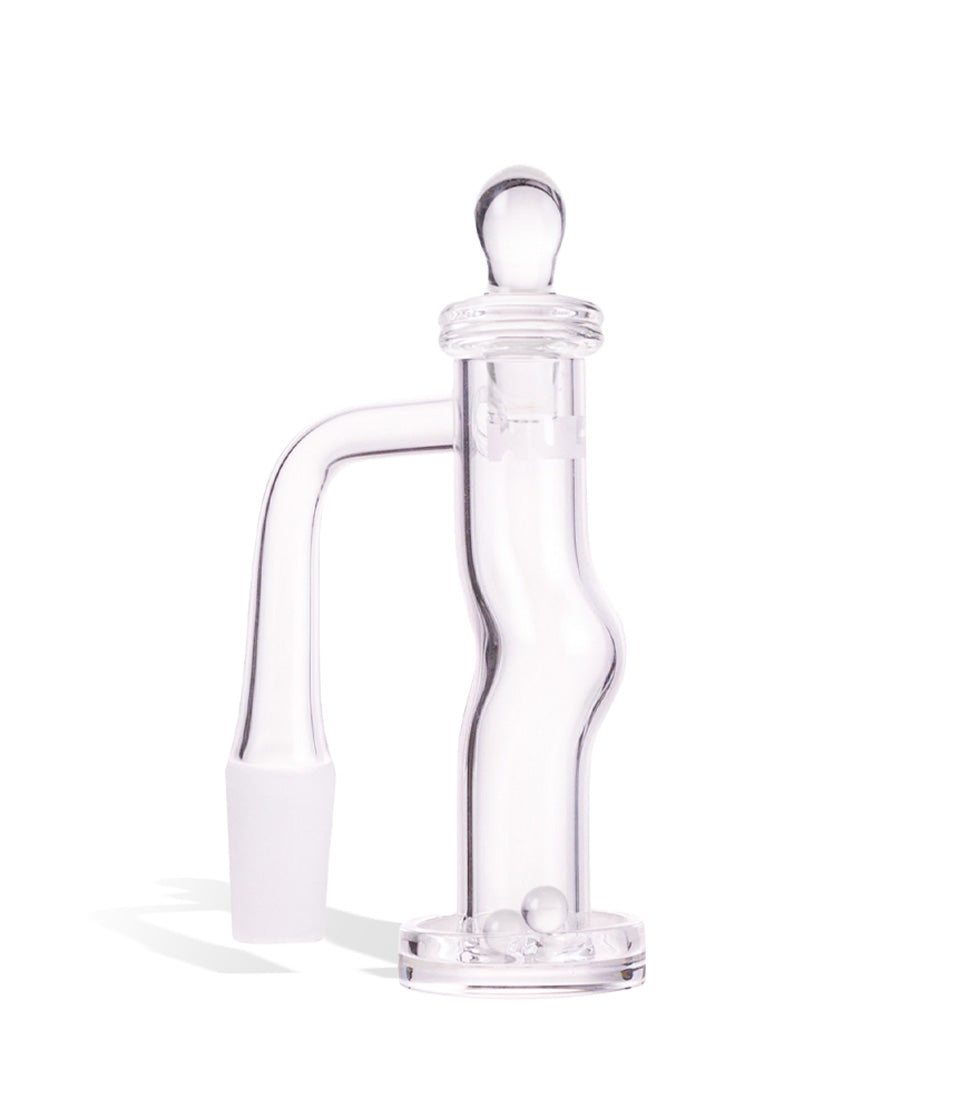
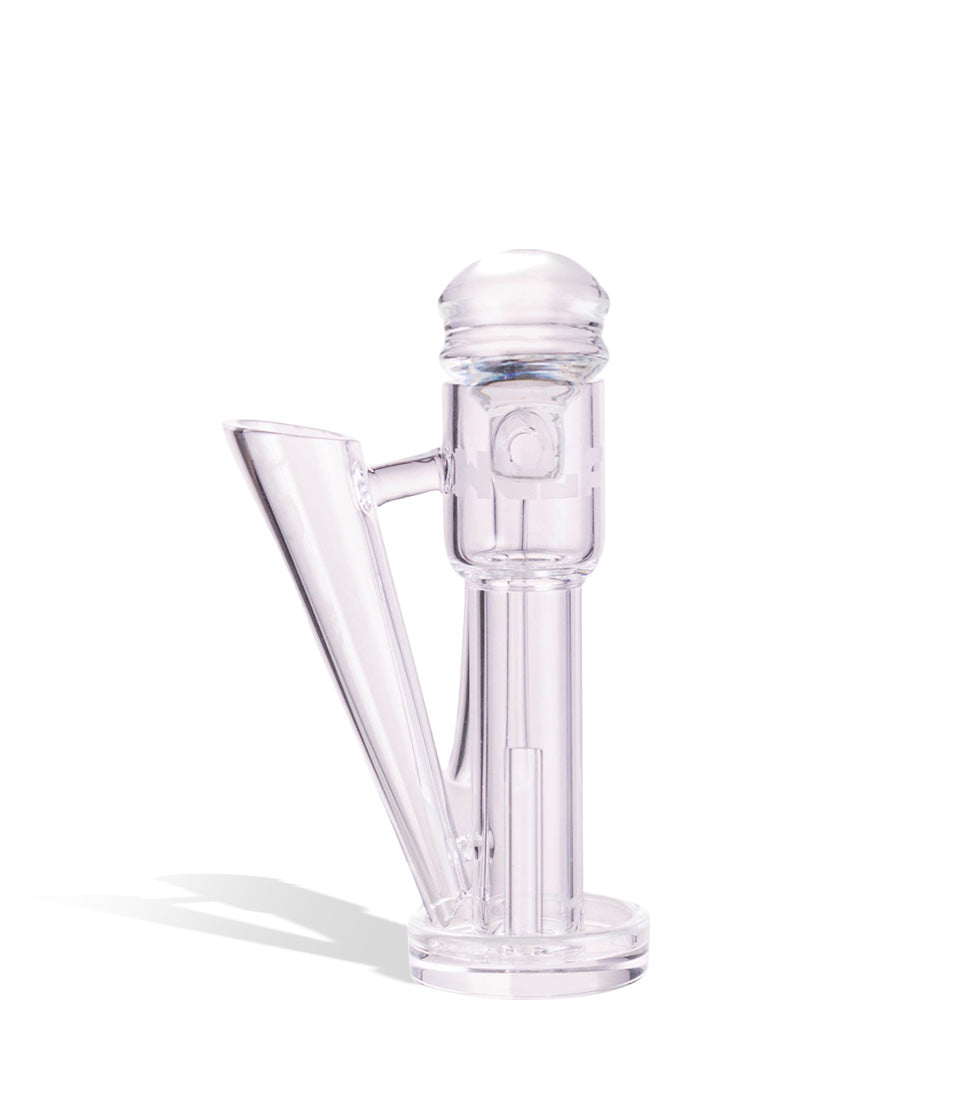
Chances are that if you bought your rig at a head shop, it came with a borosilicate glass nail. Glass nails are great in that they preserve flavor and are easy to clean. The drawback is that they are extremely fragile. Dropping and overheating a glass nail can cause it to shatter – and they do not retain heat very well. Glass is one of the cheaper options when it comes to nails for your rig.
Ceramic
Like glass, ceramic is easily broken if you’re not careful. It also provides better flavor and is easy to clean like glass. Unlike glass, ceramic nails tend to hold onto heat a little better and are less likely to shatter when exposed to high heat. You may even find that you have to let the nail cool a little before putting the wax on it or you may burn the concentrate. Slightly more expensive than glass, but less expensive than other options.
Quartz
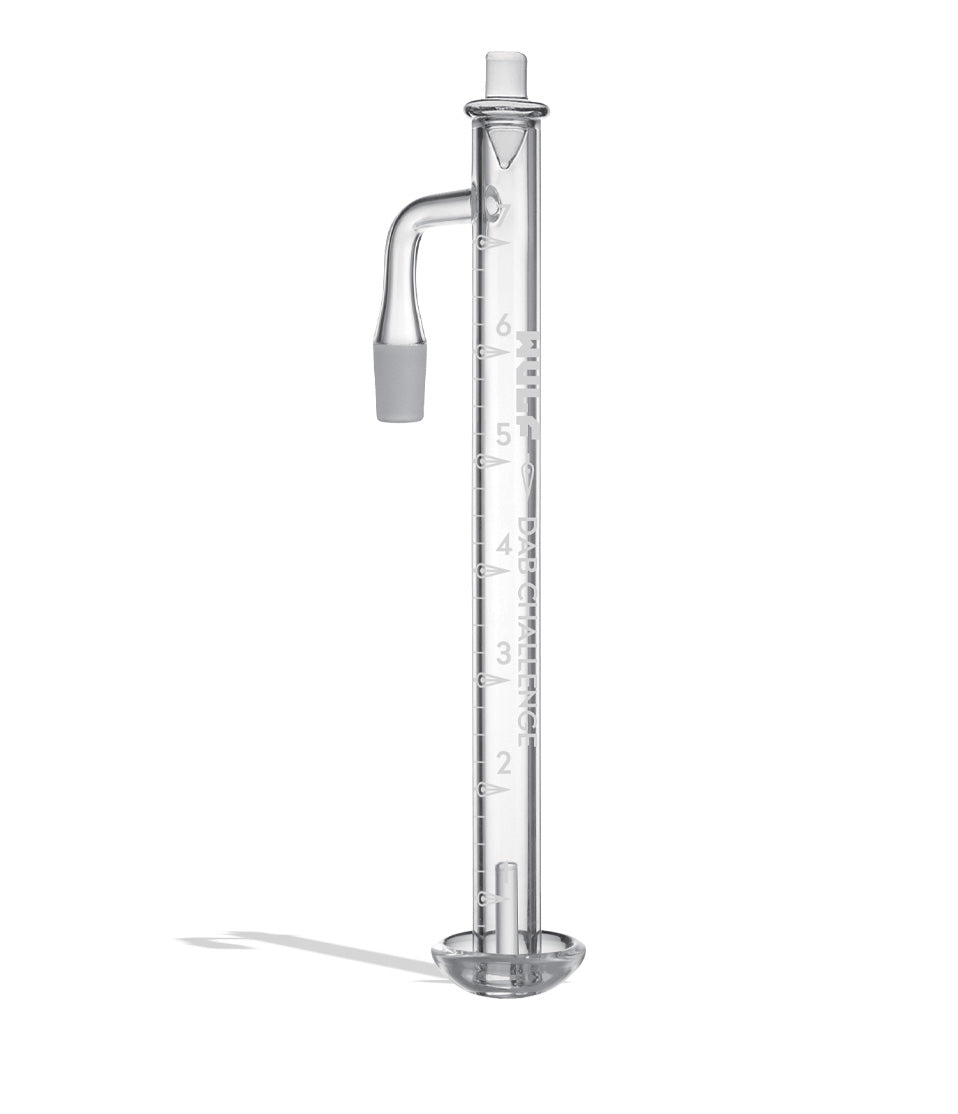
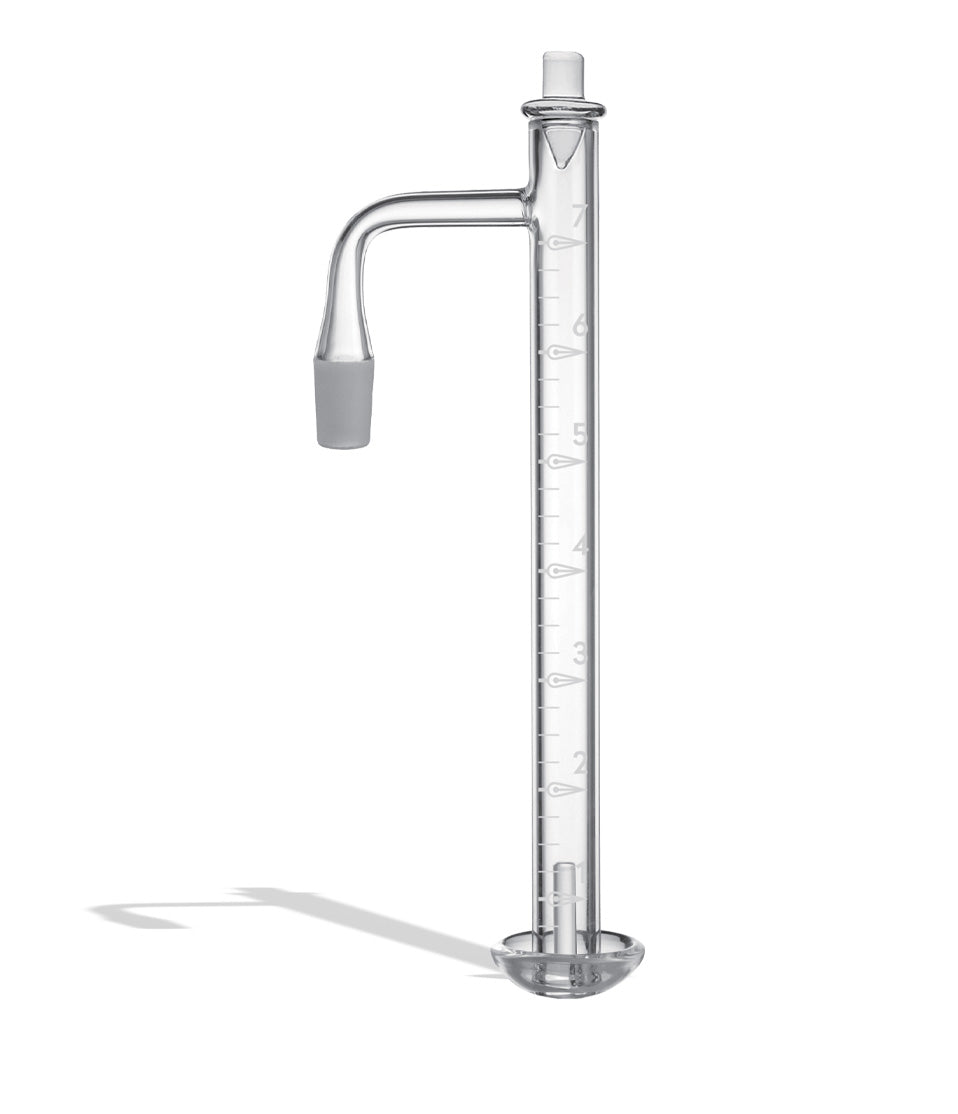
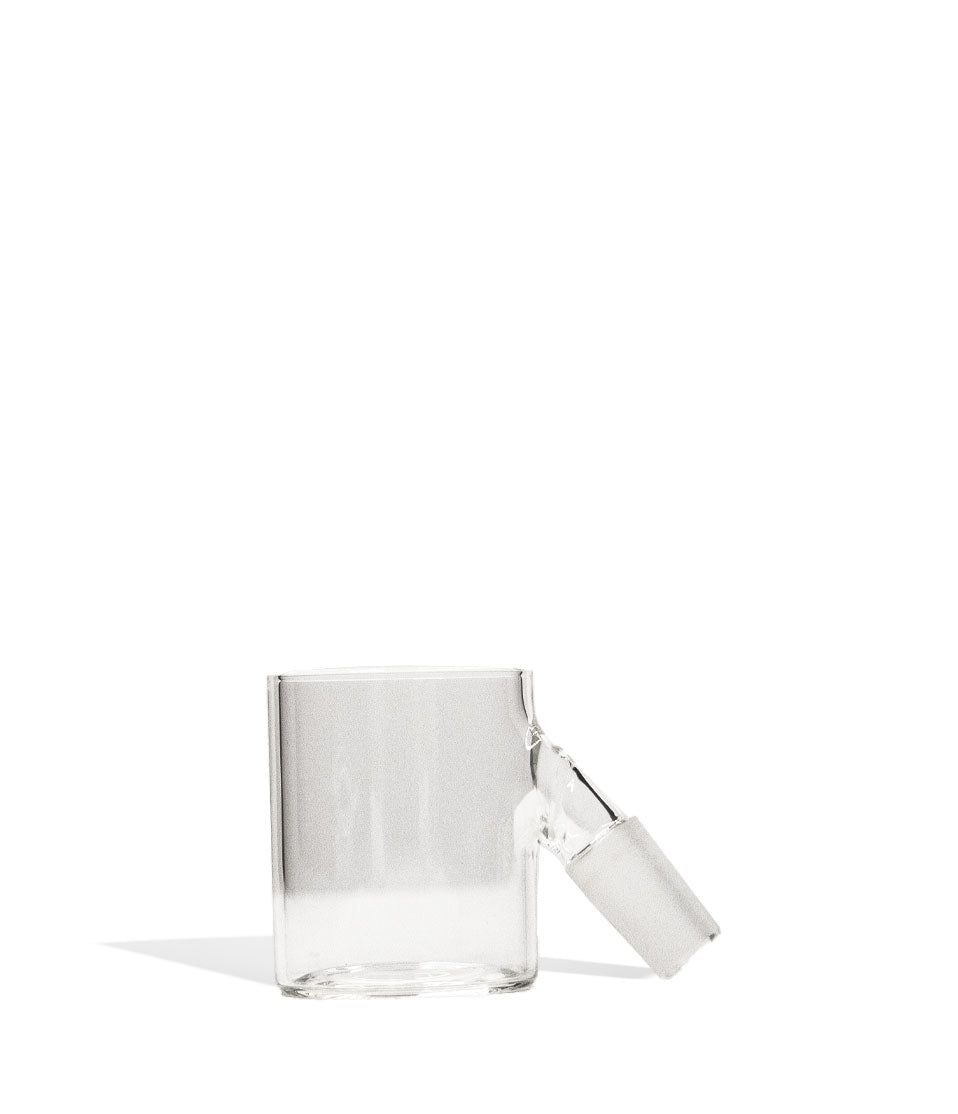
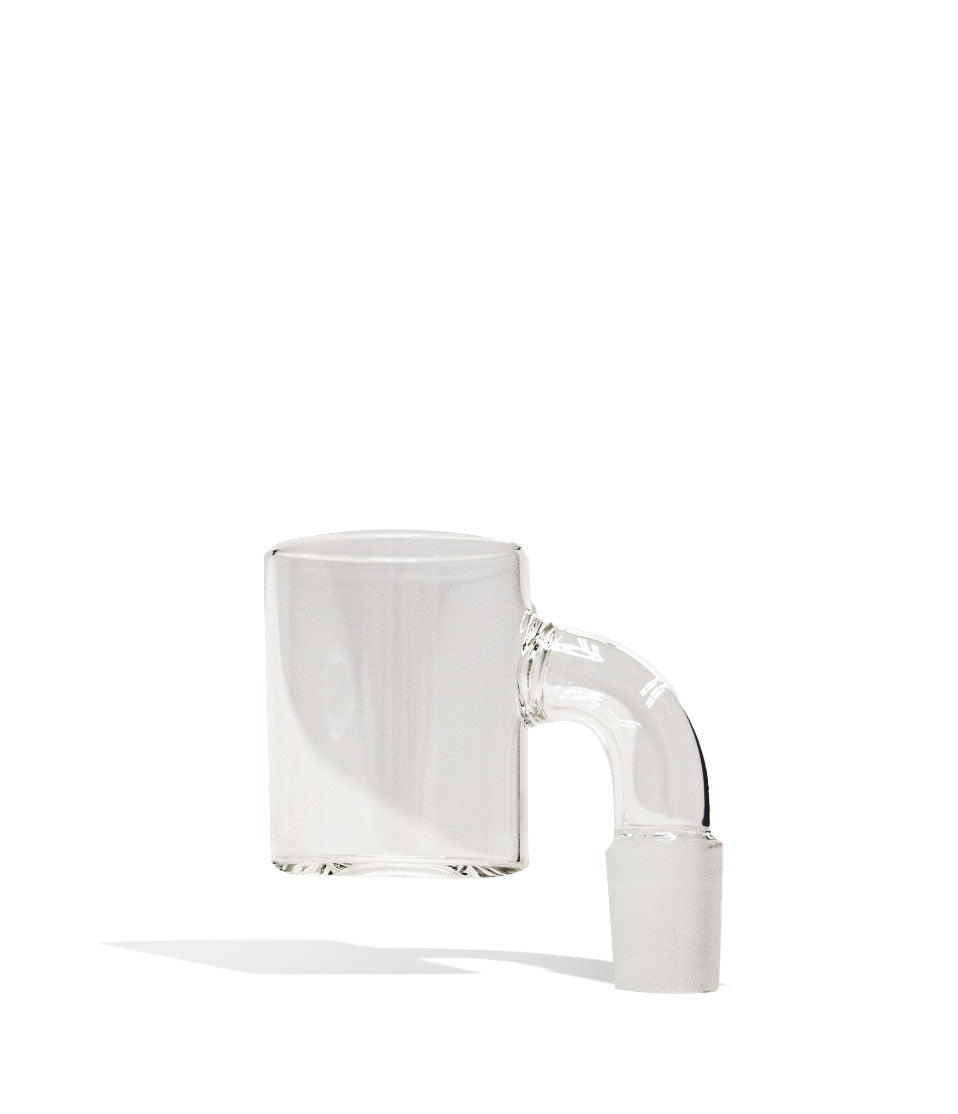
The next step up, these nails are made of quartz crystal. More durable than either glass or ceramic nails, quartz nails can withstand high amounts of heat. A boon if you’re clumsy, quartz nails can withstand being dropped to the floor. Flavor-wise, a quartz nail has all the benefits that glass brings. The downside is that quartz tends to cool off fast. It cools down in about as much time as it took to heat it up. This means you have to be ready to apply the concentrate quickly before it cools.
Titanium
If you are an every-day or regular dabber, titanium nails are probably the way to go. They are all but indestructible, withstand high amounts of heat, and retain heat really well, allowing you to take your time with your dab. Flavor-wise, some say that it departs a metallic taste onto the vapor, so it is definitely not on par with quartz or glass.
Electric Nails (E-nails)
Easily the most expensive, and often, least portable option, electric nails are the best when it comes to dabbing. A good rig will easily cost you a couple of hundred dollars, but the trade-off is that a torch and butane is not required. Another benefit to the e-nail is that you can precisely calibrate your nail’s temperature. E-nails can use either quartz or titanium components.
Other than material, there is another consideration when it comes to your dab rig nail. You’ll have to decide if you want a dome or a domeless nail. While the industry seems to have moved away from domed nails in favor of domeless, some argue that domed nails are safer and catch more of the vapor.
Domed Nails
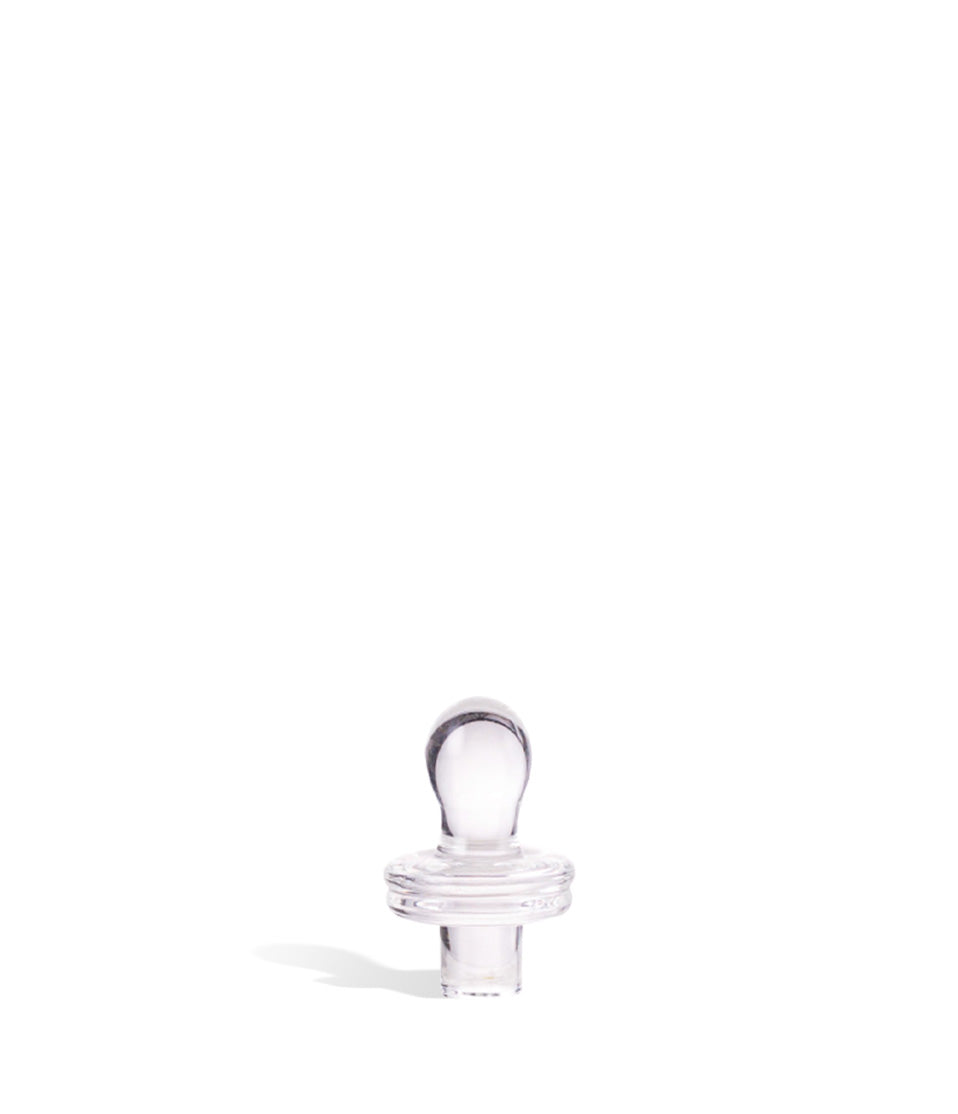
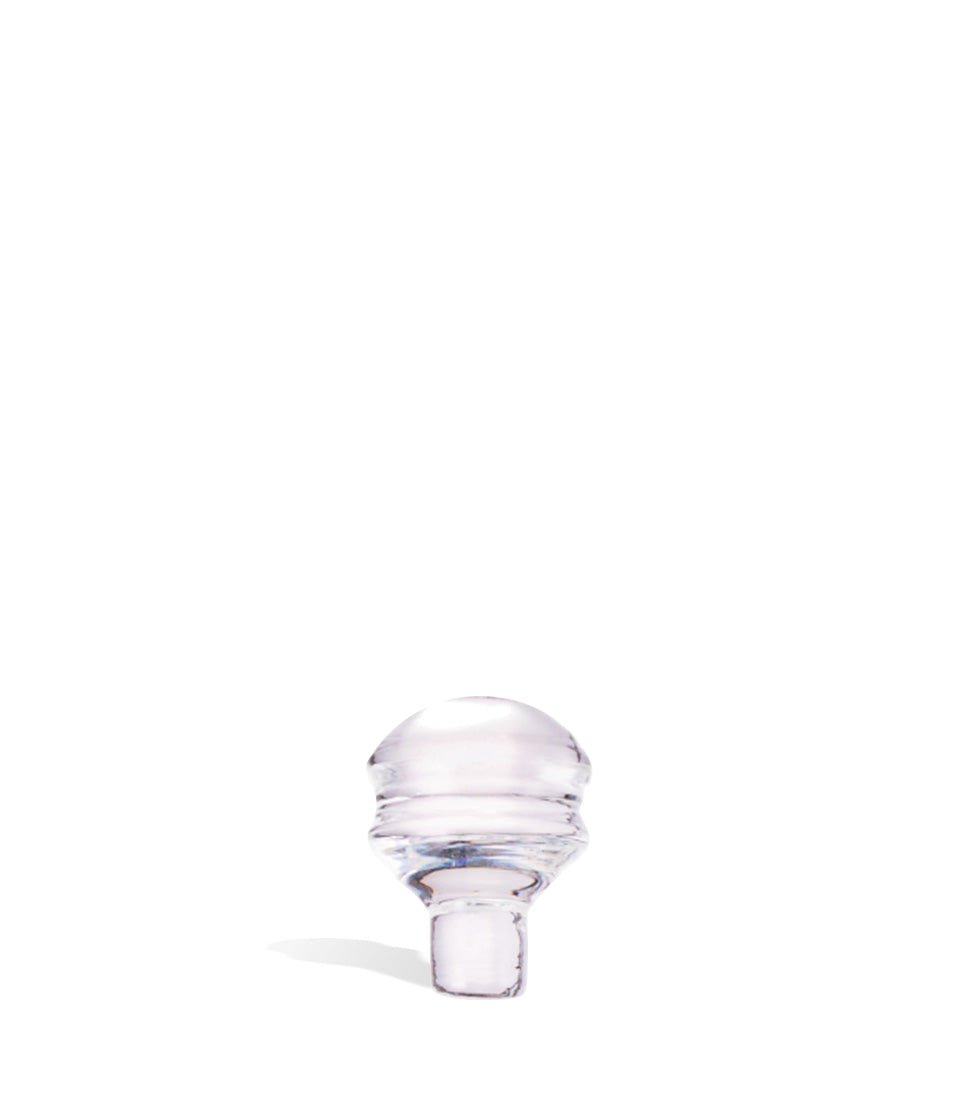
These are awesome in the fact that they help gather the vapor and they cool things off a touch. The drawback of domed nails is that the domes are typically glass, which leaves them fragile. They can also be a bit fiddly as they need to be slid into place, adding an extra step in the dabbing process.
Domeless Nails
The industry as a whole has moved towards the domeless nails. Domeless nails mean fewer components to fiddle around with during your dabbing experience. The vapor is sucked through slits or holes into the rig. The huge plus is that these nails provide better airflow than domed rigs.
Now that you are aware of the different types of nails and some of their pros and cons, you can make the decision as to what is best for you. Depending on your dabbing habits, some of these nails might be better for you than others.
Happy Dabbing!
Save 50% Off Dab Tools
Use Promo Code
DAB50
Frequently Asked Questions
How-To FAQs
Quick answers to what shoppers usually ask before putting this guidance to use.
What is the most durable dab nail material?
Which dab nail material gives the best flavor?
Why do quartz nails cool off so fast?
Should I get a domed or domeless nail?
Is an e-nail worth it?
Got Vape Trust Center
About This Resource
Here's a look at who put this guide together, how it was fact checked, and how the Got Vape team keeps it current.
Editorial Standards
- Written for shoppers, not search engines.
- Checked for accuracy and plain, practical usefulness before it goes live.
- Grounded in the manufacturer specs and product documentation we can verify.
- Revisited whenever products, regulations, or category trends shift enough to matter.
- Shaped by years of hands-on time with this gear, not just spec sheets.
- Written to help you land on the right device without the guesswork.
Research Methodology
We built this walkthrough around the actual steps, from unboxing through everyday use, based on time spent with the device and the questions people ask most.
- Hands-on product experience
- Step-by-step setup and use
- Cleaning, care, and troubleshooting
- Common questions answered
- Safe and responsible use
- Real-world use considerations
- Editorial review for clarity and accuracy
Article Information
Intended Audience
- Everyday customers
- First-time buyers
- Experienced enthusiasts
- Dry herb users
- Concentrate users
- Anyone upgrading their setup
Editorial Policy
We revisit Got Vape guides on a regular basis rather than publishing them once and walking away. If a product spec, regulation, or category trend changes enough to matter, the article gets updated and the review date moves with it.
Keep Exploring
Related Resources
A few more Got Vape guides worth a look if you want to get even more out of your setup.

Safety
Get your dab on safer and smoother than ever, by checking out our Got Vape Torch Guide for a full rundown of all the latest tor...
Read Resource →
How-To
Don't chazz the banger! Have you heard this or other references to "chazz" and wondered have I been in the session too long or ...
Read Resource →
Product Comparison
Check out our handy guide explaining the differences between dabbing at a higher temperature and dabbing at a lower temperature...
Read Resource →
How-To
To dab or not to dab? Well if your asking us we say get to dabbing! That's why your friends at Got Vape have gone ahead and put...
Read Resource →