



Resource Center
The Origin of 420

Continue With This Resource
Got Vape Quick Brief
What You Should Know
Skim this first for the short version: the main points, the questions people ask, and what to consider before you buy.
Overview
Key Takeaways
- The Grateful Dead and police radio code origin stories for 420 are both popular myths, not fact.
- The term traces back to a group of San Rafael, California high schoolers known as the Waldos in the 1970s.
- The Waldos used 4:20 as their regular meetup time to search for a rumored cannabis crop near their school.
- Over time, 420 grew from a private code among friends into a widely recognized shorthand for cannabis.
Questions This Resource Answers
- Where does the term 420 actually come from?
- Did the Grateful Dead invent 420?
- Who were the Waldos?
Recommended Products
Shop Vaporizers
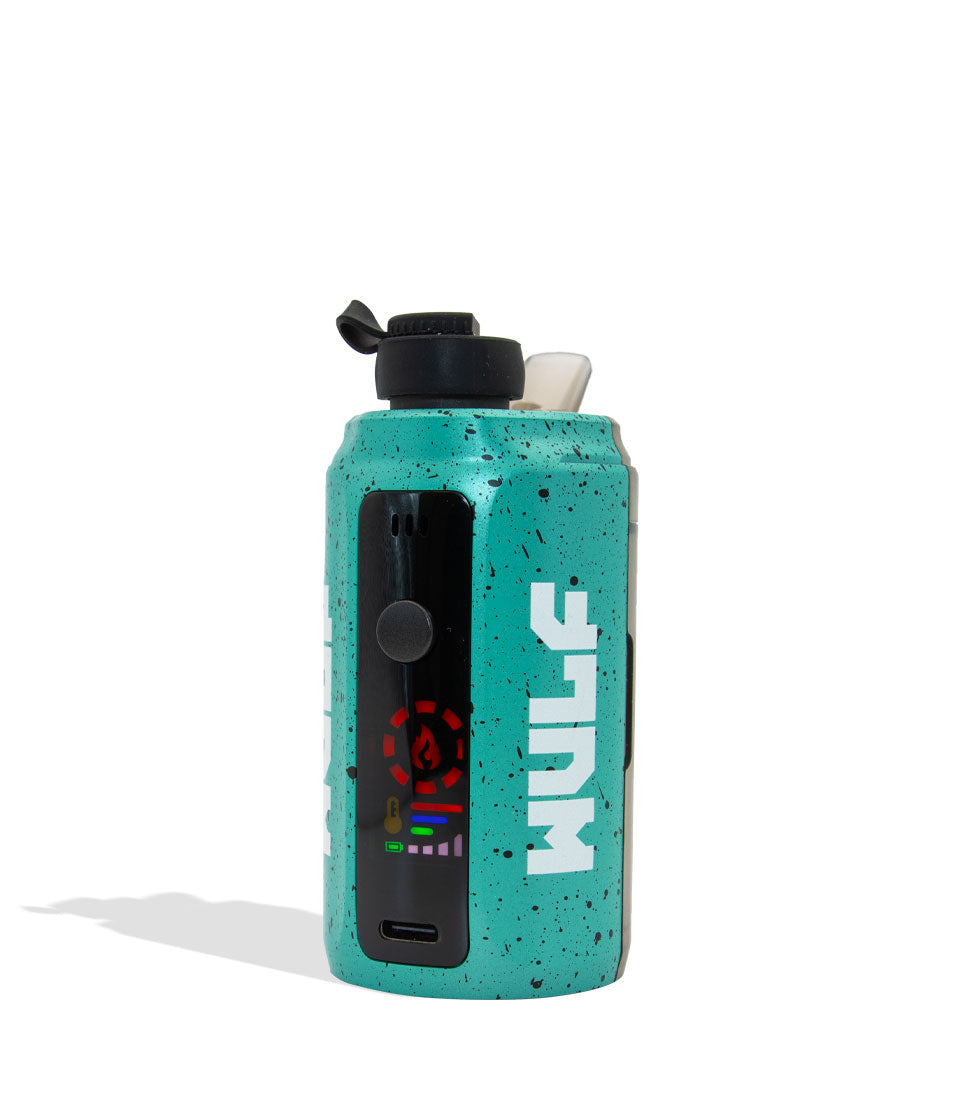
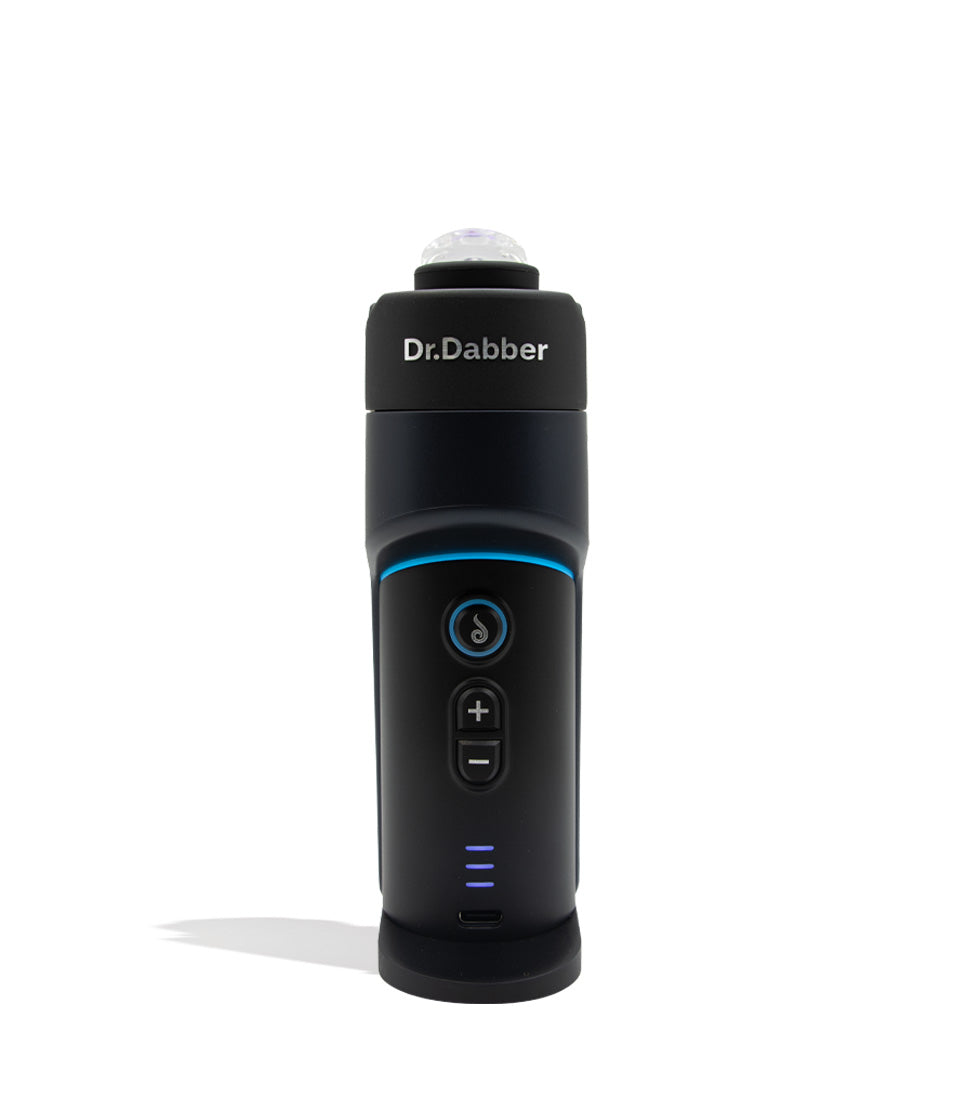
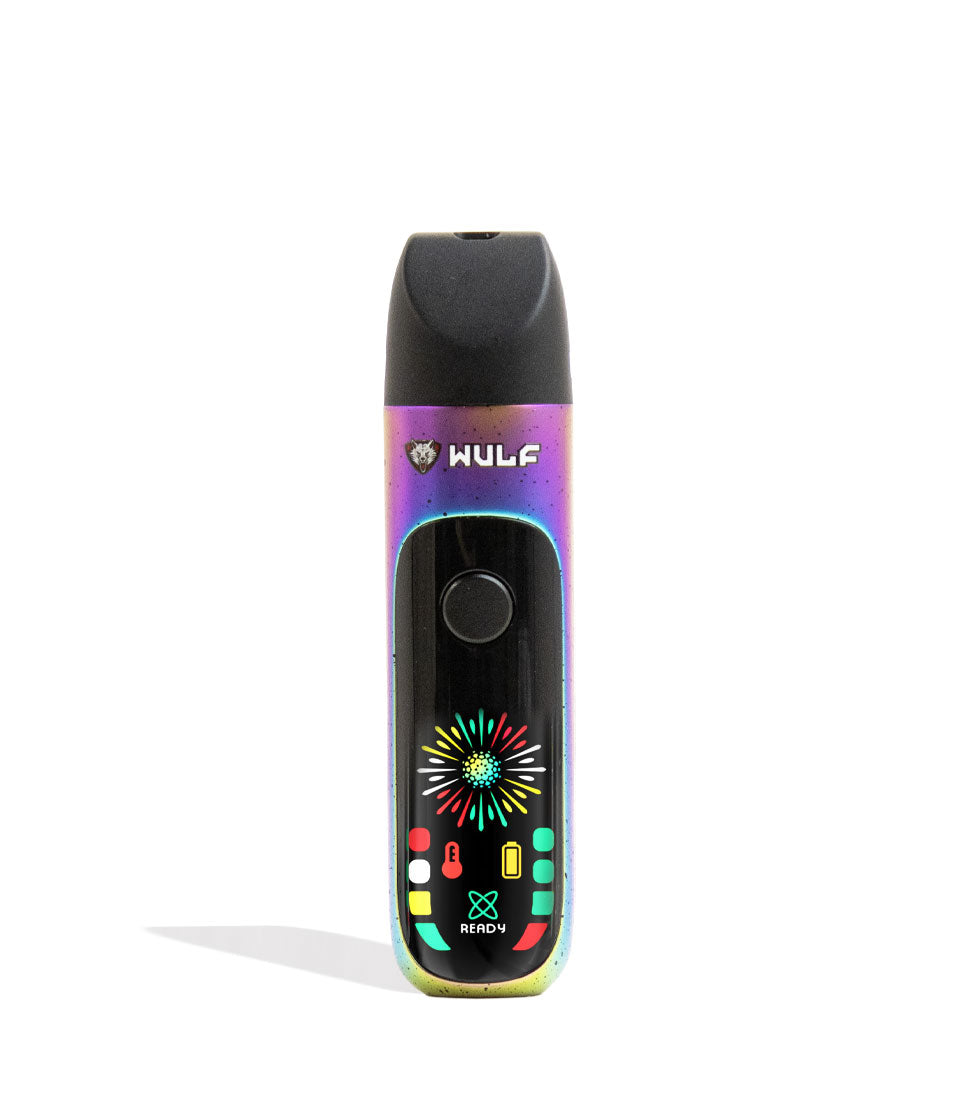
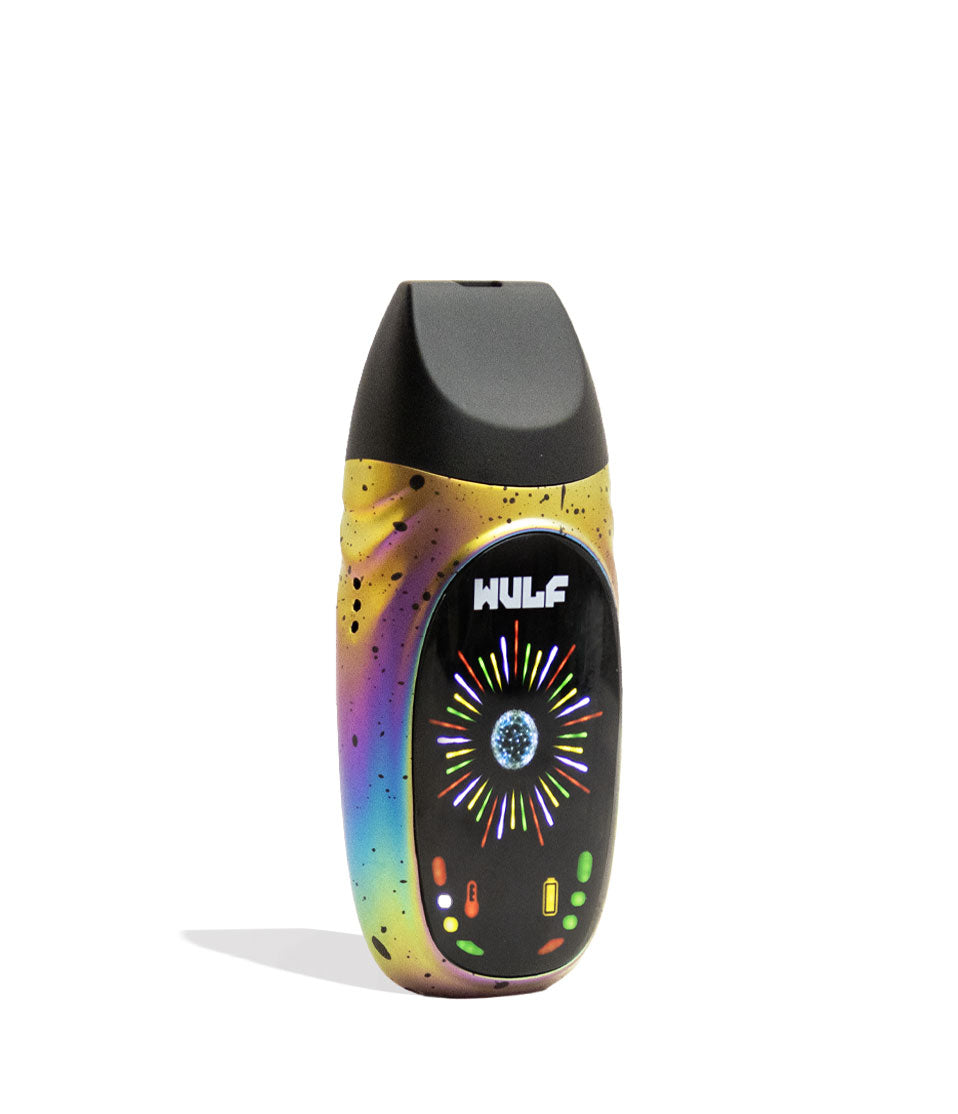
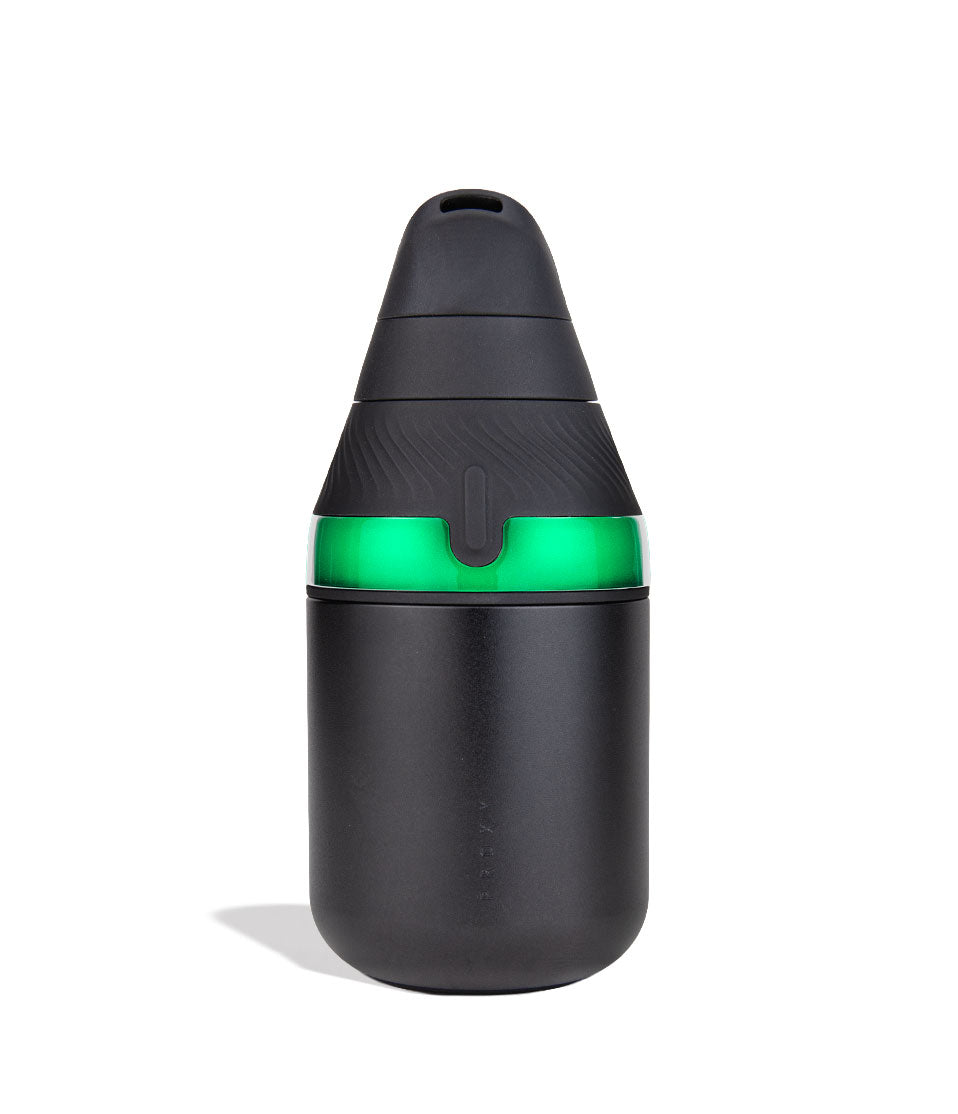
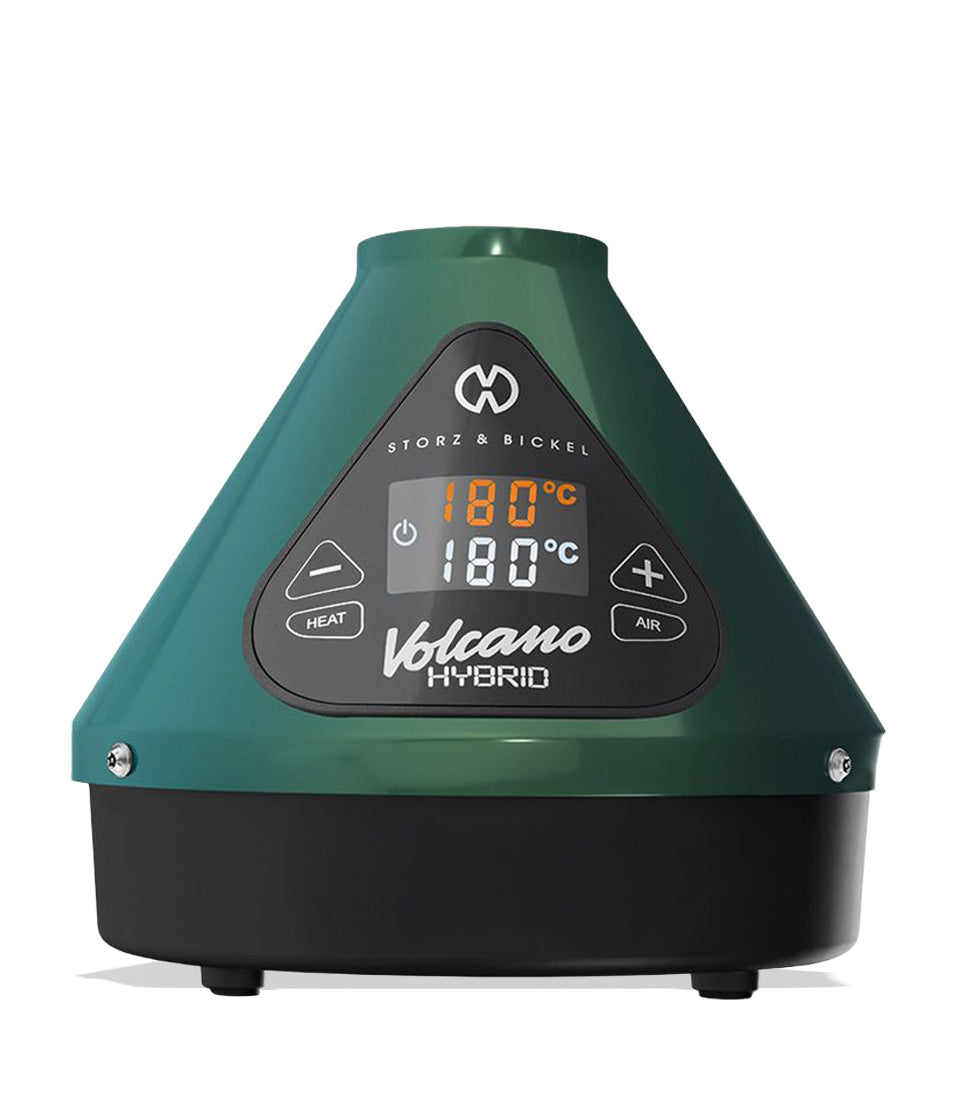
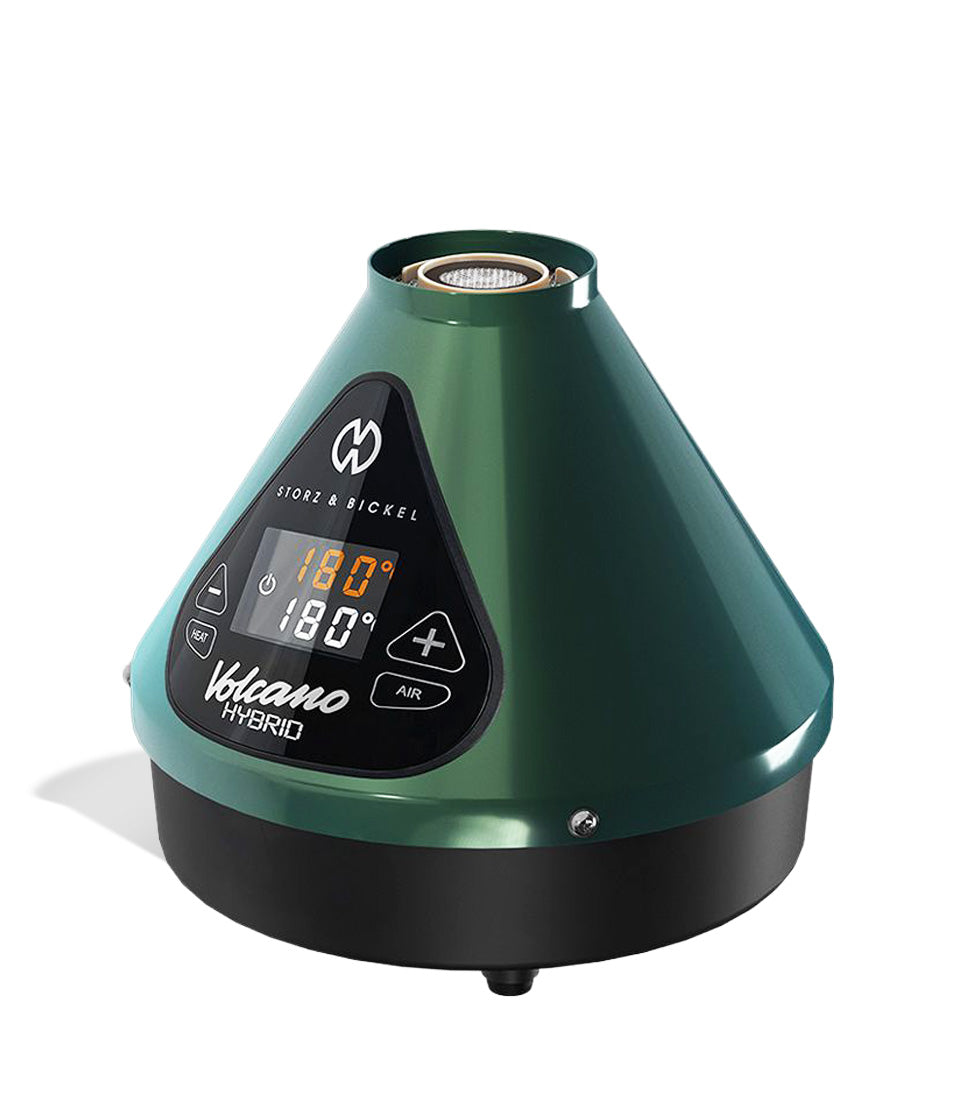
A closer look at the picks called out above.





































Industry News
Full Story
Here is the rest of the story, along with a look at what this development is likely to mean going forward.
4/20 Urban Legends
The use of 4/20 to designate one’s affection for cannabis is so popular that even those who don’t partake know what it means. Just open up the classified section of a newspaper in a city like Denver where recreational use is permitted. You’ll see listings for apartment rentals that are “4/20 friendly!” The slang term may have been something like a code at one point, but today everyone is in on it.
One of the most popular urban legends is that the Grateful Dead are responsible for creating 4/20. Certainly, the legendary jam band was no stranger to the pleasures of cannabis. The myth claims that the Dead always stayed in room 420 when they were on the road, and that the designation became standard in their discussions of weed. It’s a sexy and cool legend, one that people enjoy repeating. It’s also false. Aside from the fact that many hotels don’t even have a room 420, the large band would have required more than one room.
Another myth is that 420 was used by police as a radio code for calls involving marijuana use. That one isn’t true, either. A 420 in police communications is a bit more serious than firing one up. It’s the police radio code for homicide.
The story you probably heard growing up might be the closest to the truth. It is said that 4:20 in the afternoon was the time students gathered to smoke cannabis after their studies. Once classes were done, students all wound up having a toke at around the same time. They noticed this and began using 4/20 as a way to invite one another to a gathering.
4/20 urban legends range from the outrageous to the plausible. Before you go making complex mathematical calculations related to that Bob Dylan album in your collection, though, tamp down the part of your mind that loves conspiracies and secrets. The origin of 4/20 can most likely be credited to a group of guys who called themselves the Waldos.
The Waldos and the Golden Crop
The glorious 1970’s was a happy time for cannabis lovers in California. Fresh off the Summer of Love and the protests at Haight-Ashbury in San Francisco, marijuana subculture was still thriving. In San Rafael, a group of local high school students heard another legend. The rumor was that a massive crop of cannabis was located in close proximity to the school.
The students embarked upon a daily quest to find the golden crop of ganja. Think of them as the Indiana Jones and company of weed. As it turned out, they met each day beside a statute of Louis Pasteur to begin the search. What is more relevant is that their meetings gradually began to occur at the same time. 4:20.
Every group of guys hunting for a mythical marijuana patch needs a name, right? These fellows began calling themselves the Waldos. As in Waldo Dave or Waldo Steve. By now, you have probably envisioned things about this story that could have inspired several scenes in a Cheech and Chong film. You wouldn’t be far off the mark, either. Hunting for the fabled crop often turned into a comedy of errors which resulted in the students scrapping the mission and lighting up. They never found the stash, but they continued to meet for their daily aromatherapy sessions.
Eventually, 420 became a way for the Waldos to communicate. Saying the number could mean any number of things. Do you have any? Will you be there today? Watch out! It was a universal way of discussing what was still a taboo topic, even in laid-back California. Since then, April 20 and 4:20 p.m. have become synonymous with marijuana use.
The bottom line is that it really doesn’t matter how 4/20 came to be. What matters is that everyone can participate. For one day out of the year, cannabis reigns supreme. It receives the honor to which many claim it is rightfully due. How you choose to celebrate is your choice. The main thing is to enjoy!
Frequently Asked Questions
Industry News FAQs
Quick answers to what shoppers usually ask before putting this guidance to use.
Did the Grateful Dead invent the term 420?
Is 420 a real police radio code?
Who came up with 420?
Why is 420 celebrated on April 20th?
Got Vape Trust Center
About This Resource
Here's a look at who put this guide together, how it was fact checked, and how the Got Vape team keeps it current.
Editorial Standards
- Written for shoppers, not search engines.
- Checked for accuracy and plain, practical usefulness before it goes live.
- Grounded in the manufacturer specs and product documentation we can verify.
- Revisited whenever products, regulations, or category trends shift enough to matter.
- Shaped by years of hands-on time with this gear, not just spec sheets.
- Written to help you land on the right device without the guesswork.
Research Methodology
Pulled from manufacturer announcements, market movement, and any relevant regulatory news, then boiled down to what it actually changes for you as a shopper.
- Manufacturer or industry announcements
- Relevant public information and documentation
- What it may mean for you
- Product impact
- Timing and availability
- Editorial review for accuracy and context
- Updates when new information becomes available
Article Information
Intended Audience
- Everyday customers
- First-time buyers
- Experienced enthusiasts
- Dry herb users
- Concentrate users
- Anyone upgrading their setup
Editorial Policy
We revisit Got Vape guides on a regular basis rather than publishing them once and walking away. If a product spec, regulation, or category trend changes enough to matter, the article gets updated and the review date moves with it.
Keep Exploring
Related Resources
A few more Got Vape guides worth a look if you want to get even more out of your setup.

Industry News

Industry News

Category Guide
You are hereby cordially invited to view the Got Vape Guide To Stoner Circle Etiquette! Ditch bad habits and make sure you do y...
Read Resource →
Gift Guide